Meet the Programme Committee of DCRW2026
We’re proud to introduce the experts behind the Dutch Caribbean Research Week 2026. This diverse team brings together knowledge, experience, and passion to shape an inspiring program for all participants across all islands.
The Programme Committee for Dutch Caribbean Research Week 2026 (DCRW2026) is a multidisciplinary advisory group tasked with shaping the scientific and strategic content of this event. The committee brings together experts from different backgrounds to ensure the quality, relevance and balance of sessions, speakers, and topics. The committee helps define themes, review and select contributions or sessions, and advise on programme structure so that the event reflects both current scientific priorities and broader community needs.
Get to know more about the DCRW2026 Programme Committee
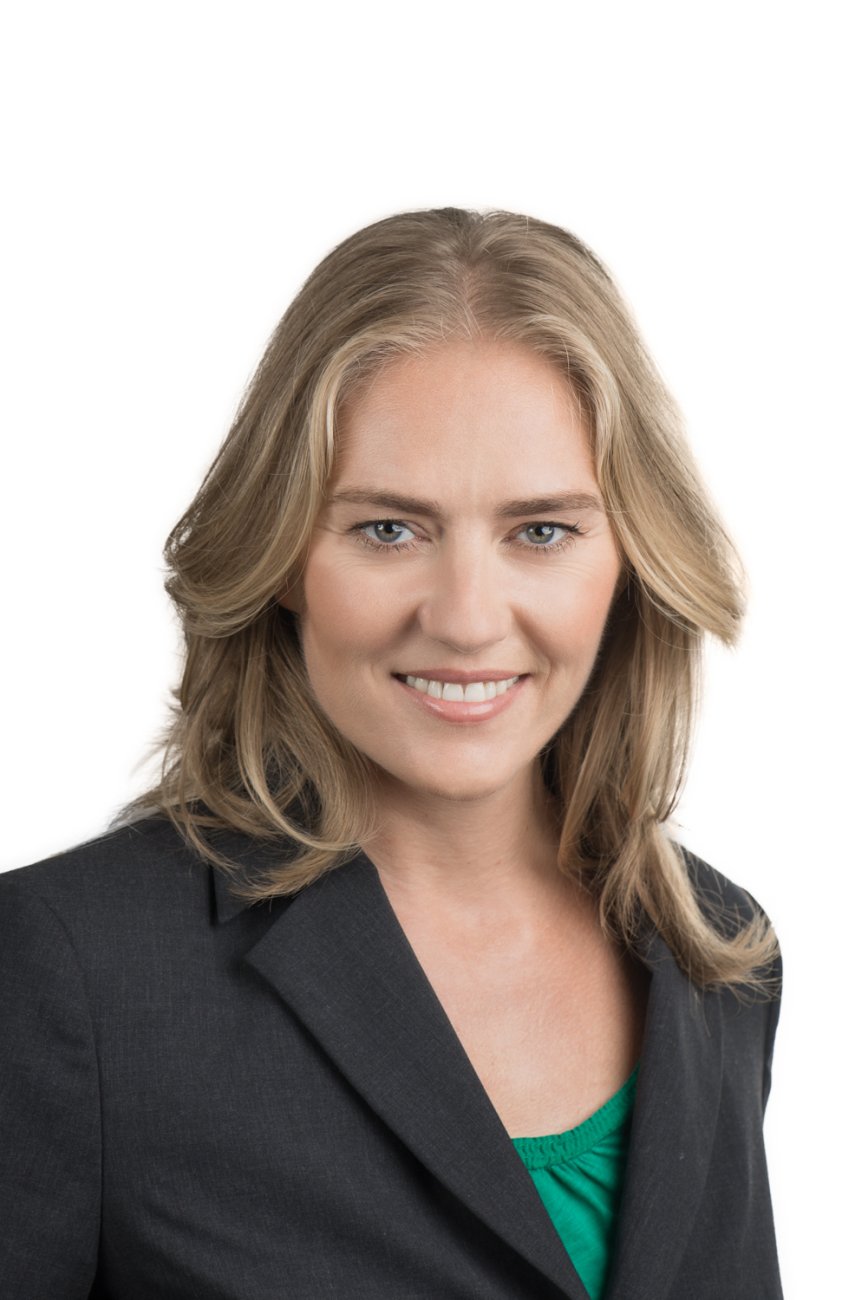
Renske Pin is Chair of the Programme Committee of the Dutch Caribbean Research Week, in her capacity as a member of the NWO Caribbean Research Programme Committee (PCCO). She is an independent researcher based in Curaçao and holds a Master’s degree in Communication and a PhD in Behavioral Sciences. Her work focuses on societal challenges across all six islands of the Dutch Caribbean, where she conducts applied research that bridges science, policy, and community practice. She has the privilege of co-supervising several island-based PhD candidates, supporting the next generation of scholars from the region. Her recent projects include mapping the academic research landscape across the six islands and strengthening knowledge collaboration within the Kingdom of the Netherlands.
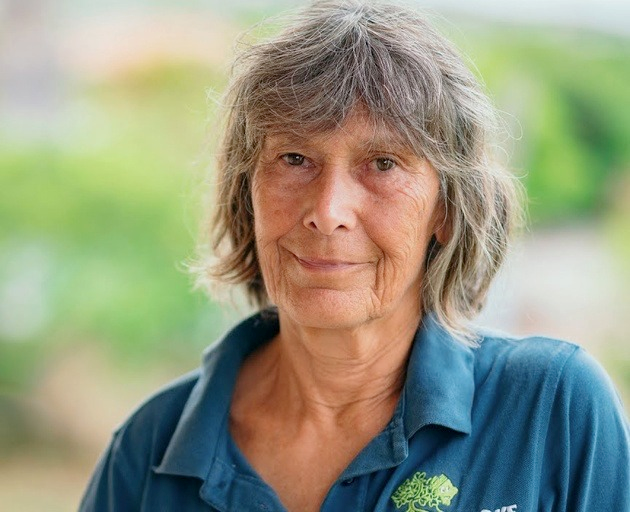
I was born in the Netherlands and completed high school in Curaçao, where I developed my passion for marine biology. After graduating from university, I have worked exclusively in tropical regions—Suriname, Niger, India, and currently Bonaire—where my appreciation for nature has grown to encompass broader societal aspects.
I am currently focused on mangrove restoration, exploring its role in climate change and nature-based solutions that benefit society socially, economically, and environmentally.
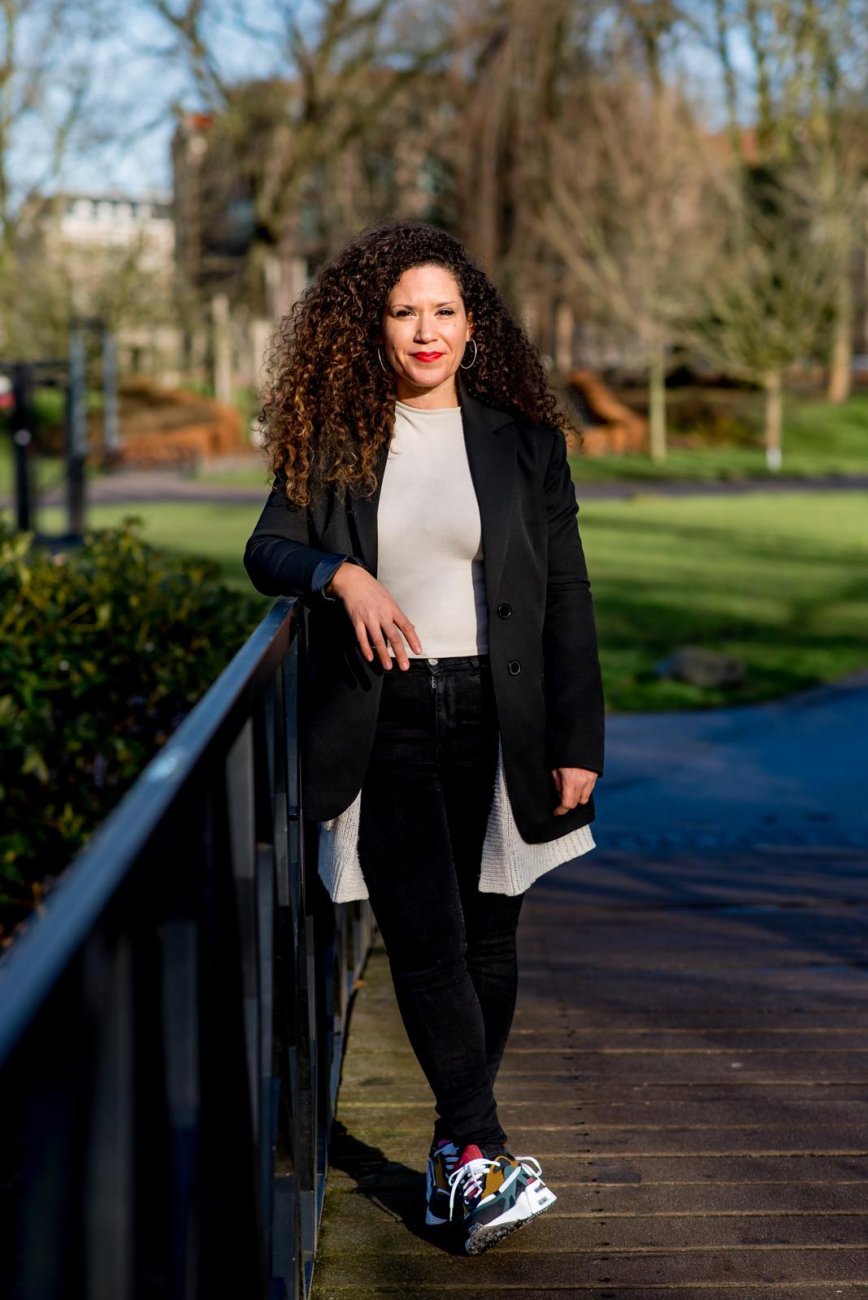
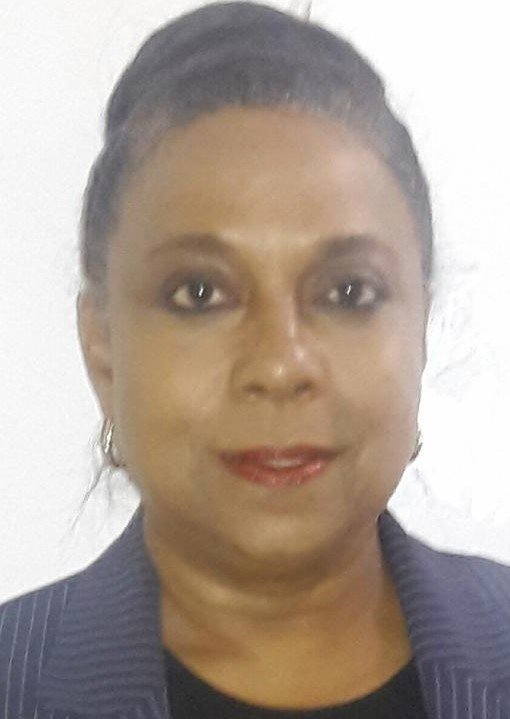
Nurah Hammoud, MD, PhD, is an Assistant Professor in Global Health at the Julius Center, UMC Utrecht. Her research focuses on women’s, maternal, and child health in Curaçao, where she does several projects on sickle cell disease, maternal mortality, obstetric care for migrant populations, and trends in gynecologic oncology.
In Curaçao, she serves as a consulting gynecologist with a special interest in women’s health and clinical research. She is the head of the Gynecology department at the Curaçao Medical Center and co-chair of the central training committee (COCC).
Born and raised in Curaçao, she was inspired to pursue medicine by her father, a general practitioner on the island. She completed her medical training, PhD, and OB/GYN residency in Utrecht, finishing her residency in 2017.
She is married and the mother of three sons, one of whom has type 1 diabetes - a personal experience that deepens her dedication to research, high-quality healthcare, and improving outcomes for vulnerable populations.
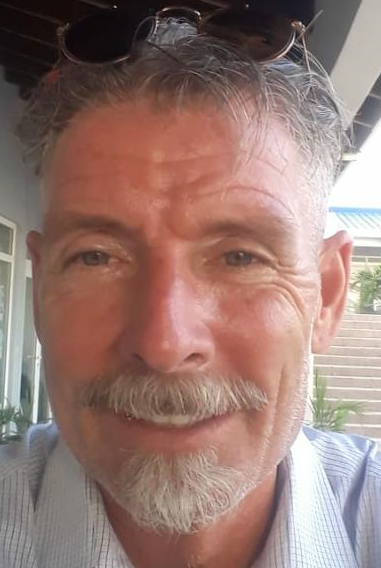
Dr Alwin Hylkema is associate lecturer in coastal ecosystem restoration at the Coastal and Marine Systems research group at Hogeschool Van Hall Larenstein. He also works as a senior researcher at the Marine Animal Ecology group at Wageningen University & Research. Alwin's research focuses on reef restoration in both tropical and temperate regions. His research has led to innovations such as the Moreef artificial reef (www.moreef.com), the use of grazers for reef restoration, and new breeding methods for sea urchins. Since 2019, he has been based in Saba where he coordinates research at the Saba Research Center and focuses entirely on the restoration of Caribbean coral reefs.
Since April 2019, Mr. Kerkhoff has been working for the Department of Culture of the Ministry of Education, Culture, Youth & Sport of the Government of St. Maarten. His areas of expertise are heritage, culture creative economy, culture and arts education, language, and decolonialism. The Caribbean has been his home since his first visit in1997 and he has been living in St. Lucia, St. Eustatius, and St. Maarten, working in education and public administration. Mr. Kerkhoff represents St. Maarten in the workgroup on culture and arts education of the Kingdom of the Netherlands and was part of the delegation at the UNESCO Abu Dhabi Conference in February 2024 and UNESCO MONDIACULT Barcelona 2025.
Mr. Kerkhoff has a son (24) and daughter (19). He has a master’s degree in general Linguistics from the state university of Groningen specializing in the neurology of language development and language disturbances. He loves the Caribbean for its diverse, vibrant, and dynamic life which he believes is an example for the rest of the world when it comes to finding solutions for ecological and societal problems with a focus on human dignity and uniqueness.
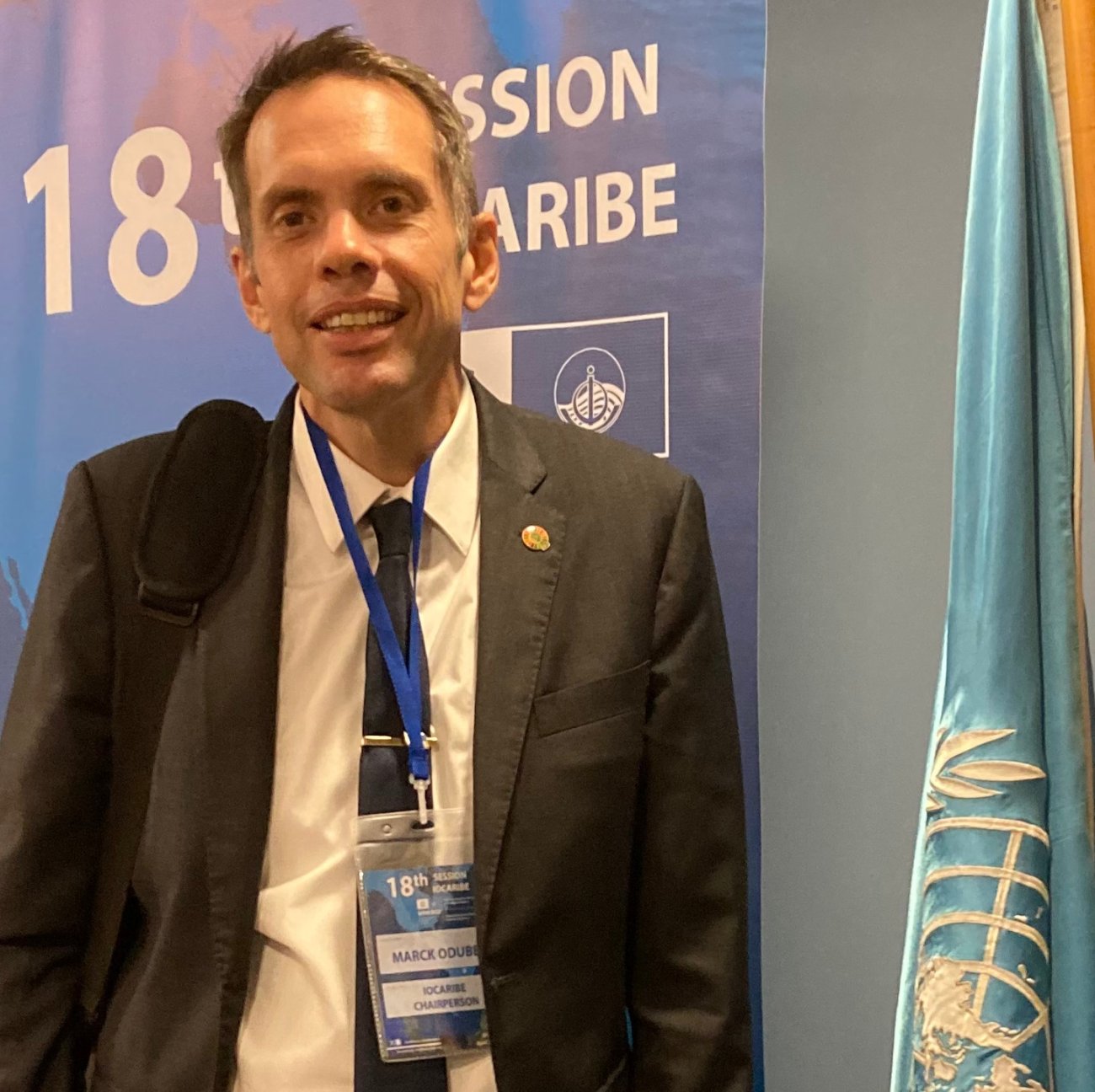
Dr. Marck Oduber is a Caribbean geoscientist and UNESCO specialist focused on sustainable ocean governance, climate resilience, and science-based policymaking across Small Island Developing States. He serves as Science Specialist at the UNESCO Aruba National Commission and as Chair of IOCARIBE (IOC/UNESCO Regional Office), leading regional initiatives aligned with the UN Ocean Decade and UNESCO’s Natural Sciences programmes. He has also contributed to several UNESCO programme committees, including those on Sustainable Ocean Planning. Through his work, he helps strengthen science-policy interfaces and supports efforts to position the Wider Caribbean as a stronger regional leader in sustainable ocean and environmental stewardship.
Sara Stone is the President of the St. Eustatius Farmers Foundation and a dynamic force in education, environmental stewardship, and community development across the Dutch Caribbean. With an academic foundation in Biomedical Engineering, Sara began her career at the intersection of science, innovation, and public service. She serves as an Assistant Country Coordinator for GLOBE (Global Learning and Observations to Benefit the Environment) — a NASA-funded international program that fosters student engagement in environmental research and global data sharing. She is an entrepreneur and wellness advocate consultant.
As an educator and community leader, Sara has been instrumental in youth mentoring, agricultural development, and socio-economic empowerment. She is a passionate advocate for innovation in climate-smart farming systems, leading efforts to integrate biodiversity, syntropic agroforestry, hydroponics, and aquaponics into both educational curricula and real-world farming practices. She is presently leading experiments on St. Eustatius in water conservation and education of farmers water and soil quality testing as well as an agrivoltaics experiment on the 40,000m2 STUCO Solar Panel Park.
Sara currently spearheads programs for the 2025–2026 school term that prepare youth and local farmers to embrace sustainability, food security, and science-based innovation. Her leadership in agriculture and education positions her as a key contributor to the future of resilience and regeneration on St. Eustatius.
Her participation in the NEPP Town Hall reflects her unwavering commitment to knowledge sharing, community-led development, and building capacity for a sustainable island future.